+441278550640
  info@proswimwear.co.uk
  UK DELIVERY OVER £35






If you’ve ever done an open water swim, you know the ocean, lake, or river doesn’t come with lane lines and wall turns. Staying on course can be surprisingly tough and that’s where sighting comes in.
In triathlon, mastering the art of sighting during your swim leg can mean the difference between a strong start and a frustrating detour. In this guide, we’ll cover the best sighting techniques and common mistakes.
What is Sighting?
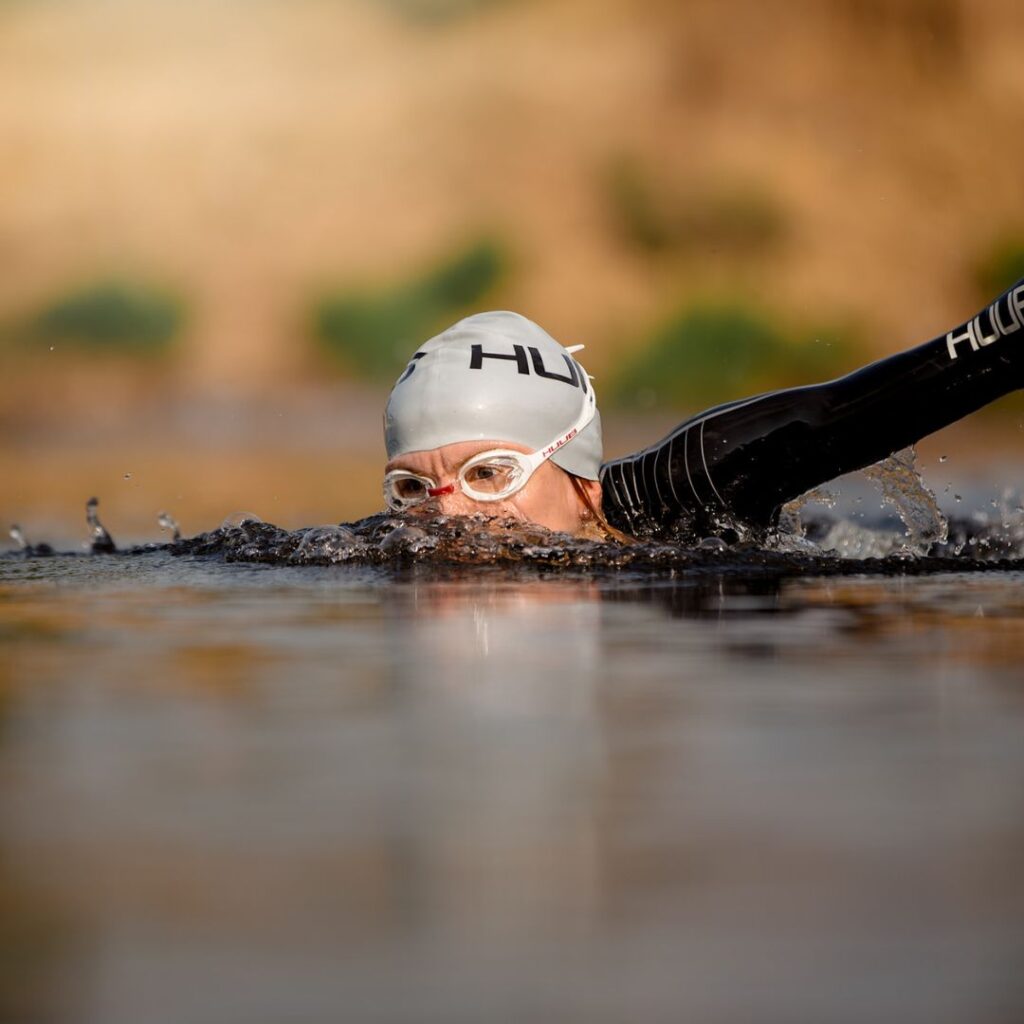
Sighting is the technique of lifting your head during freestyle swimming to check your direction. Since triathlons and open water swims don’t offer the guidance of pool walls or ropes, you need to spot visual markers (usually buoys) to stay on course.
Done well, sighting keeps you swimming straight and efficiently. Done poorly, it can slow you down and waste energy.
Common Sighting Mistakes
Let’s fix these before they become race-day habits:
Looking up too often: Frequent head lifts break your rhythm and waste energy.
Lifting too high: If your whole head comes out of the water, your hips and legs drop, creating drag.
Forgetting to practice: Sighting is a skill — and it needs to be trained like anything else.
Basic Sighting Techniques
Here are the most effective ways to sight while swimming freestyle:
Single-Lift Sighting – Glance forward by lifting your eyes just above the surface, then quickly return your head down. Ideally, this happens in one smooth motion just before a breath.
Sighting with Breathing – Turn your head slightly more than usual when taking a breath and peek forward with your bottom eye. This allows you to maintain rhythm while still checking your path.
Minimize Disruption – Keep your chin close to the water and avoid craning your neck. You want to see, not stop.
How Often Should You Sight?
There’s no universal rule, but many triathletes aim to sight every 6 to 10 strokes. Adjust based on the conditions:
Calm water: Less frequent sighting is okay.
Choppy, murky, or crowded races: Sight more often to avoid going off-course or bumping into others.
Tips To Improve Your Sighting
Use visual cues beyond buoys — like trees, buildings, or a dock for better orientation.
Train your posture in the water: strong core, high hips, and steady kick.
Swim with your eyes open underwater to improve spatial awareness.
Sighting isn’t just a technical detail — it’s a core part of a successful triathlon swim. Practicing it regularly helps you stay calm, swim straight, and conserve energy for the bike and run ahead.
So next time you dive into training, don’t just swim, swim smart.