+441278550640
  info@proswimwear.co.uk
  UK DELIVERY OVER £35



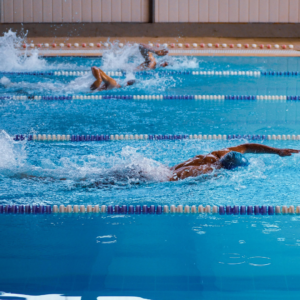




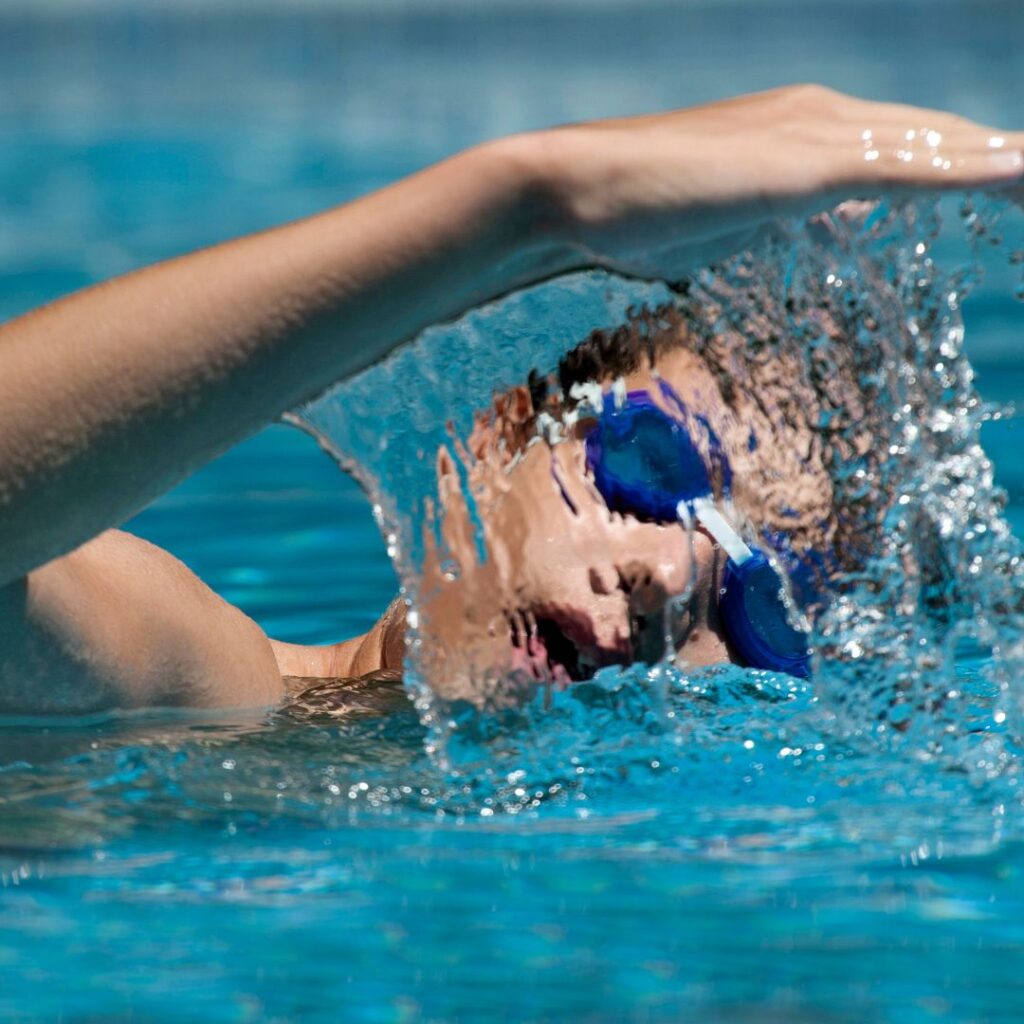
In swimming, rest isn’t a luxury, it’s a necessity. But rest doesn’t always mean doing nothing. That’s where active recovery comes in.
Whether you’re a competitive swimmer or someone who hits the pool to stay fit, incorporating active recovery days into your training plan can make a big difference in your performance, recovery, and overall well-being. Here’s how and why they work.
What Is Active Recovery?
Active recovery refers to low-intensity movement that helps your body bounce back from tough training sessions. Unlike total rest days, active recovery keeps your body moving just enough to encourage circulation, flexibility, and mental focus–without adding more fatigue. Think of it as intentional, gentle movement that supports recovery rather than hinders it.
Why Rest Alone Isn’t Enough
Completely resting (or staying on the couch all day) may feel great after a tough swim set, but it can sometimes leave you feeling stiff and sluggish the next day. Active recovery improves blood circulation, delivering oxygen and nutrients to tired muscles. This speeds up recovery and helps remove waste products like lactic acid that contribute to soreness. It also keeps your joints and muscles mobile, which is key to staying injury-free.
Key Benefits of Active Recovery Days
Improves Blood Flow & Reduces Muscle Soreness – Gentle activity keeps your blood moving, which helps flush out toxins and ease soreness. You’ll feel looser and more refreshed, rather than stiff and tired.
Boosts Mental Recovery – Swimming can be as mentally taxing as it is physical. Low-pressure movement like an easy swim or walk can improve your mood, reduce anxiety, and help you stay mentally engaged with your sport without stress.
Maintains Flexibility & Mobility – Sitting still all day can cause tightness, especially in the shoulders and hips. Active recovery helps you stay limber, which improves your swimming technique and lowers your risk of injury.
Encourages Long-Term Consistency – Recovery days reduce burnout and make your training plan more sustainable. You stay consistent without overtraining, which is key to long-term success.
Sharpens Technique Without Fatigue – Low-intensity swim sessions are the perfect time to focus on drills and form. You’re not rushing to hit intervals–so you can tune into your stroke and make lasting improvements.
Best Active Recovery Options for Swimmers
You don’t have to stick to the pool. There are plenty of ways to stay active while recovering:
-Easy swim set (low effort, technique-focused)
-Light kick sets with fins
-Gentle walking or light cycling
-Stretching, yoga, or Pilates
-Foam rolling or mobility drills
-Core activation exercises (low reps, no fatigue)
Mistakes to Avoid
Even on recovery days, it’s easy to get it wrong. Watch out for these common missteps:
❌ Turning it into a full workout (“I’ll just add a quick set…”)
❌ Skipping recovery days altogether ❌ Forgetting to hydrate or fuel properly
❌ Overdoing screen time and skipping sleep
❌ Neglecting the mental side of recovery (stress management)
Quick Recovery Checklist
Here’s a simple list to keep your recovery days on point:
✅ 8+ hours of sleep
✅ Gentle movement (swim, walk, yoga, etc.)
✅ Stay hydrated
✅ Light, nutritious meals
✅ Stretch and foam roll
✅ Take care of your mind, too
Active recovery isn’t a break from training, it’s a critical part of it. It allows your body to heal, your mind to reset, and your technique to improve, all while keeping your momentum going.
By making recovery intentional, not optional, you’ll swim stronger, stay healthier, and enjoy the process so much more.