+441278550640
  info@proswimwear.co.uk
  UK DELIVERY OVER £35







History of Swimming
Explore the fascinating journey of swimming, from its ancient origins to its modern prominence as both a sport and recreational activity.
Ancient Origins
Swimming has been a part of human history for thousands of years. The earliest evidence of swimming dates back to around 7,000 years ago, as depicted in prehistoric cave drawings in Egypt. These illustrations suggest that swimming was both a practical skill and a recreational activity.
Swimming also holds a significant place in ancient literature. Homer’s The Odyssey and other classical works reference swimming as a critical survival skill. In ancient Egypt, Greece, and Rome, swimming was included in military training programs to prepare soldiers for water crossings and other challenges.
Swimming in the Middle Ages
During the Middle Ages, attitudes toward swimming shifted. While some societies continued to value swimming, others associated water with disease, leading to a decline in its popularity. Despite this, swimming remained a vital skill for fishermen, sailors, and individuals living near water.
Religious influences also impacted swimming practices during this era. In Europe, some cultures discouraged swimming due to modesty concerns, while others used it in rituals and ceremonies.
Renaissance Revival
The Renaissance brought a renewed interest in swimming, spurred by a broader revival of classical knowledge and physical education. Written texts from this period, such as Nicolas Wynman’s Colymbetes (1538), were among the first to offer swimming instruction and promote it as a healthy and beneficial activity.
In addition to its health benefits, swimming gained popularity as a leisure activity among Europe’s elite. Public baths and swimming contests became more common, setting the stage for swimming’s modern evolution.
Modern Swimming
By the 19th century, swimming transformed into a formalized sport. The establishment of swimming clubs and competitions, particularly in Britain, played a pivotal role. In 1837, London hosted the first organized swimming races, marking the beginning of competitive swimming as we know it today.
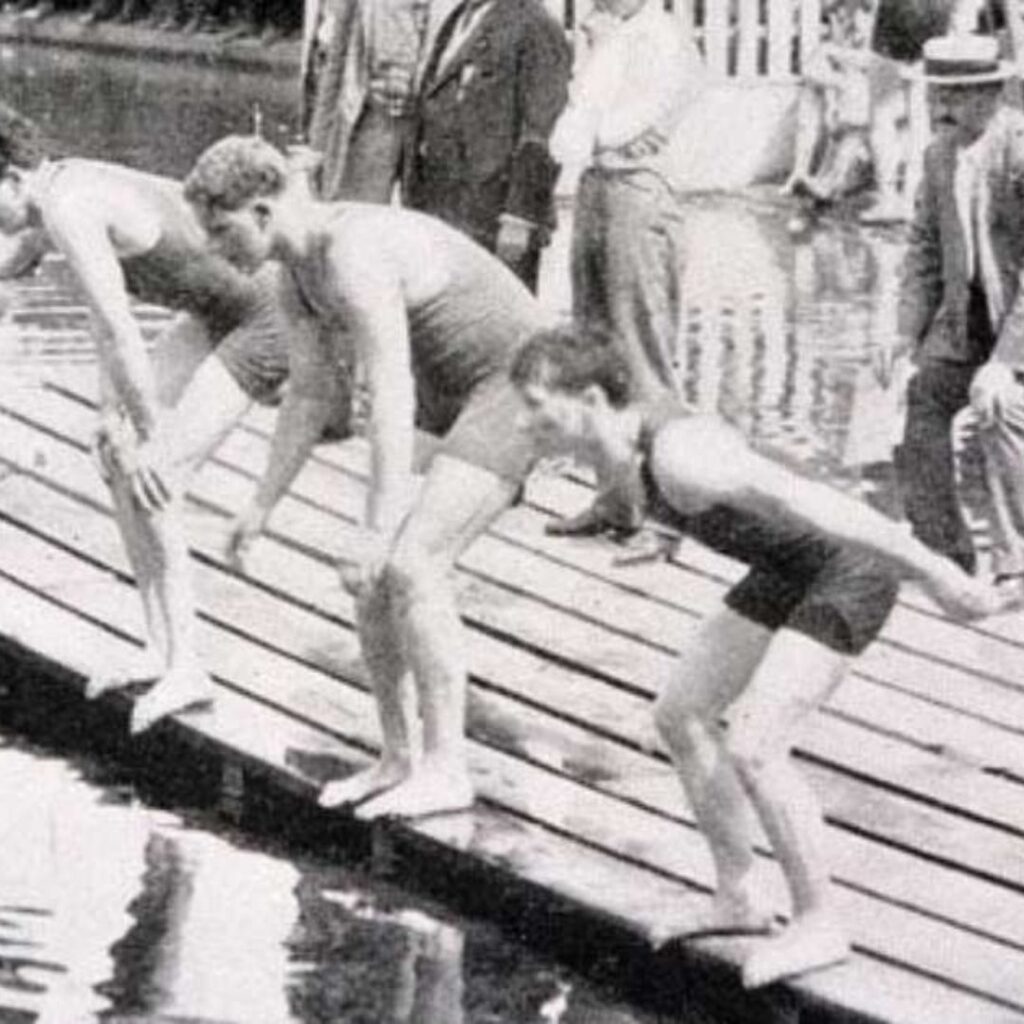
The inclusion of swimming in the first modern Olympic Games in 1896 further cemented its status. Over the years, techniques such as the breaststroke, backstroke, and freestyle were refined, and advancements in pool design and technology enhanced performance.
Today, swimming is a beloved global activity, enjoyed by people of all ages and abilities. Whether for fitness, competition, or relaxation, its enduring appeal is a testament to its rich and diverse history.