+441278550640
  info@proswimwear.co.uk
  UK DELIVERY OVER £35



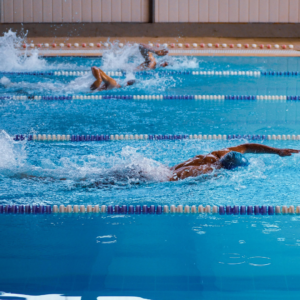




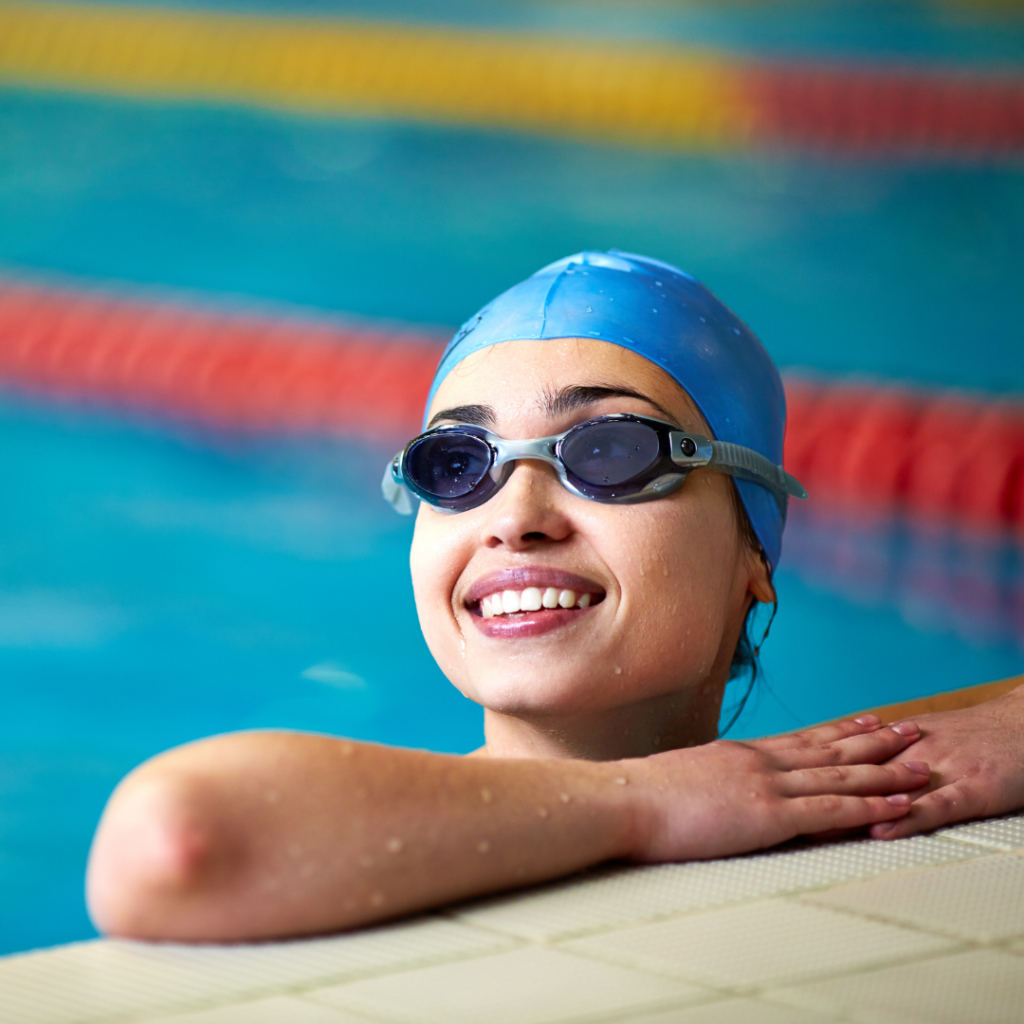
When you’re stressed or anxious, exercise is usually one thing you probably don’t want to do. But what if swimming can help reduce stress and anxiety? It can! Let us explain.
All forms of exercise release endorphins into your brain, and swimming is no exception! These natural substances of endorphins and dopamine have a direct effect on your mood, which can help you calm down and feel happier. Exercise has been proven to improve the production of serotonin that helps to calm your mind and body.
There are also many physical benefits that come from swimming. The water can take stress off your joints, relieving some of the tension and helping to relax the muscles. It is also the best form of cardiovascular fitness that is low impact, this involves the heart, lungs and is a great way to stay in shape for a lifetime. This helps to train your body to use your oxygen more efficiently, which can help with panic attacks. The water also has a resistance that allows you to work out more vigorously with little chance of injury.
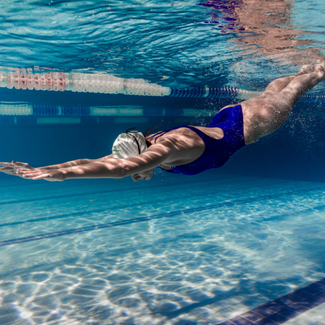
Swimming also is a form of escapism for many swimmers. Being away from technology and from the world with the sole focus being on swimming, it can be a welcome break from any stress and anxiety you may be experiencing. It can help anxious people to feel more grounded and helps to engage your senses, focusing on arm and leg movement, as well as breathing patterns. Almost all your senses are engaged when swimming: sight, sound, touch and smell. Many people find the repetitive motions of stroke and swimming back and forth to be meditative. Regular swimming routines can help to calm anxiety.
Swimming encourages you to take rhythmic, consistent breaths. When stressed or panicked, it is common for the person to take shallower and more rapid breaths, in some cases leading to hyperventilation. The breathing pattern needed for swimming ensures that enough air is taken into the lungs, helping to reduce shorter breaths, and is a good workout for your lungs. With inhaling and exhaling evenly, it can help to lower blood pressure and release any negative toxins from your body to assist with relaxation. Swimming also tires out your body, helping you to sleep better and allows your brain to rest for the next day.

Swimming is a form of exercise that you can do on your own, but swimming pools and leisure centres do encourage socialising. Socialising is great for the brain and sense of wellbeing, helping many swimmers feel more accepted and to meet new people in a way they may normally feel anxious of.
Has swimming helped you overcome mental health challenges? Share your experience in the comments!