+441278550640
  info@proswimwear.co.uk
  UK DELIVERY OVER £35







Injury Prevention Tips for Competitive Swimmers
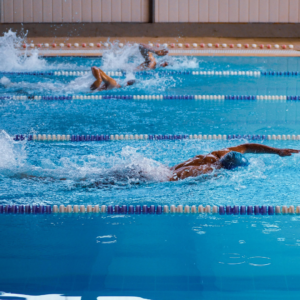
Competitive swimming is an exhilarating sport that requires strength, endurance, and precision. However, it also places unique demands on the body, making injury prevention a top priority for long-term success. In this article, we’ll cover essential tips to help you stay injury-free while excelling in the pool.
1. Proper Warm-Up and Cool-Down
A thorough warm-up prepares your muscles and joints for the rigors of training and competition, while a cool-down helps your body transition back to a resting state. Neglecting these steps can lead to tightness, soreness, or even injury.
Warm-Up Tips
- Start with 5-10 minutes of light aerobic activity, such as an easy swim or dynamic stretches.
- Incorporate shoulder and hip mobility exercises to target key areas used in swimming.
- Gradually increase intensity to mimic the pace of your main workout.
Cool-Down Suggestions
- Dedicate 5-10 minutes to swimming at a slower pace.
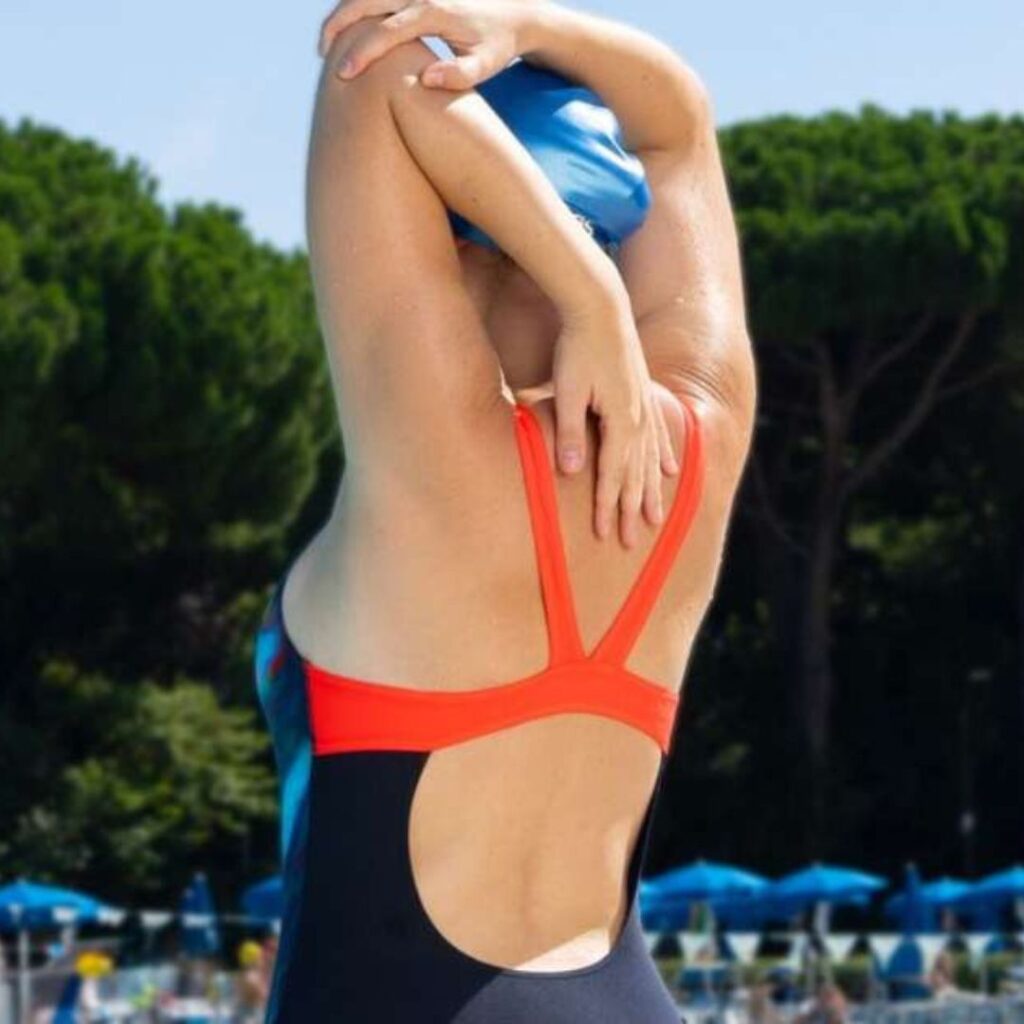
- Perform static stretches focusing on your shoulders, back, and legs.
- Hydrate and refuel with a protein-rich snack to aid muscle recovery.
2. Focus on Technique
Poor technique is a leading cause of overuse injuries in swimmers. Small adjustments can significantly reduce stress on your joints and muscles.
Key Areas to Monitor
- Shoulder Alignment: Ensure a high elbow catch to avoid excessive strain on the rotator cuff.
- Knee Kick: Use a controlled, efficient flutter kick to minimize knee stress.
- Head Position: Keep your head neutral to prevent neck tension and optimize body alignment.
3. Incorporate Strength Training
Building strength outside the pool helps support your swimming performance and reduces the risk of injury. A balanced program should target the muscles used in swimming while addressing any imbalances.
Effective Strength Exercises
- Resistance band exercises for shoulder stability.
- Core strengthening moves like planks and Russian twists.
- Leg exercises such as squats and lunges to enhance kicking power.
4. Prioritise Recovery
Recovery is just as important as training when it comes to injury prevention. Allowing your body to rest ensures that it can repair and adapt to the stress of workouts.
Recovery Strategies
- Get 7-9 hours of quality sleep each night.
- Incorporate rest days into your training schedule.
- Use tools like foam rollers or massage guns to alleviate muscle tension.
- Practice active recovery through light swimming or yoga.
5. Listen to Your Body
Swimmers often push through discomfort, but ignoring early signs of fatigue or pain can lead to more serious issues. Pay attention to your body’s signals and adjust your training accordingly.
Signs to Watch For
- Persistent soreness or stiffness in a specific area.
- Decreased range of motion or strength.
- Unusual fatigue that doesn’t improve with rest.
When to Seek Professional Help
If you experience ongoing pain or suspect an injury, consult a healthcare professional, such as a sports physician or physical therapist, to develop a recovery plan.
Conclusion
Injury prevention is essential for competitive swimmers to maintain peak performance and enjoy a long, healthy career. By incorporating these tips into your routine, you’ll reduce your risk of injury and set yourself up for success in the pool. Remember, consistency and mindfulness are key!