+441278550640
  info@proswimwear.co.uk
  UK DELIVERY OVER £35








Nutrition and Hydration for Swimmers
Importance of Nutrition
Swimming is a demanding sport that requires a blend of strength, endurance, and agility. To meet these physical demands, swimmers must fuel their bodies with the right nutrition. Proper nutrition not only supports performance in the water but also aids recovery and long-term health.
Swimmers burn a significant number of calories during training, often requiring higher-than-average caloric intake. The balance of carbohydrates, proteins, and fats plays a crucial role in sustaining energy levels and maintaining muscle health.
Pre-Swim Nutrition
Timing Your Meals
Eating the right foods at the right times can make a big difference in a swimmer’s performance. A meal rich in complex carbohydrates, lean protein, and healthy fats consumed 2-3 hours before swimming is ideal. For early morning practices, a lighter option like a banana can provide quick energy without causing discomfort.
Hydration Strategies
Why Hydration Matters
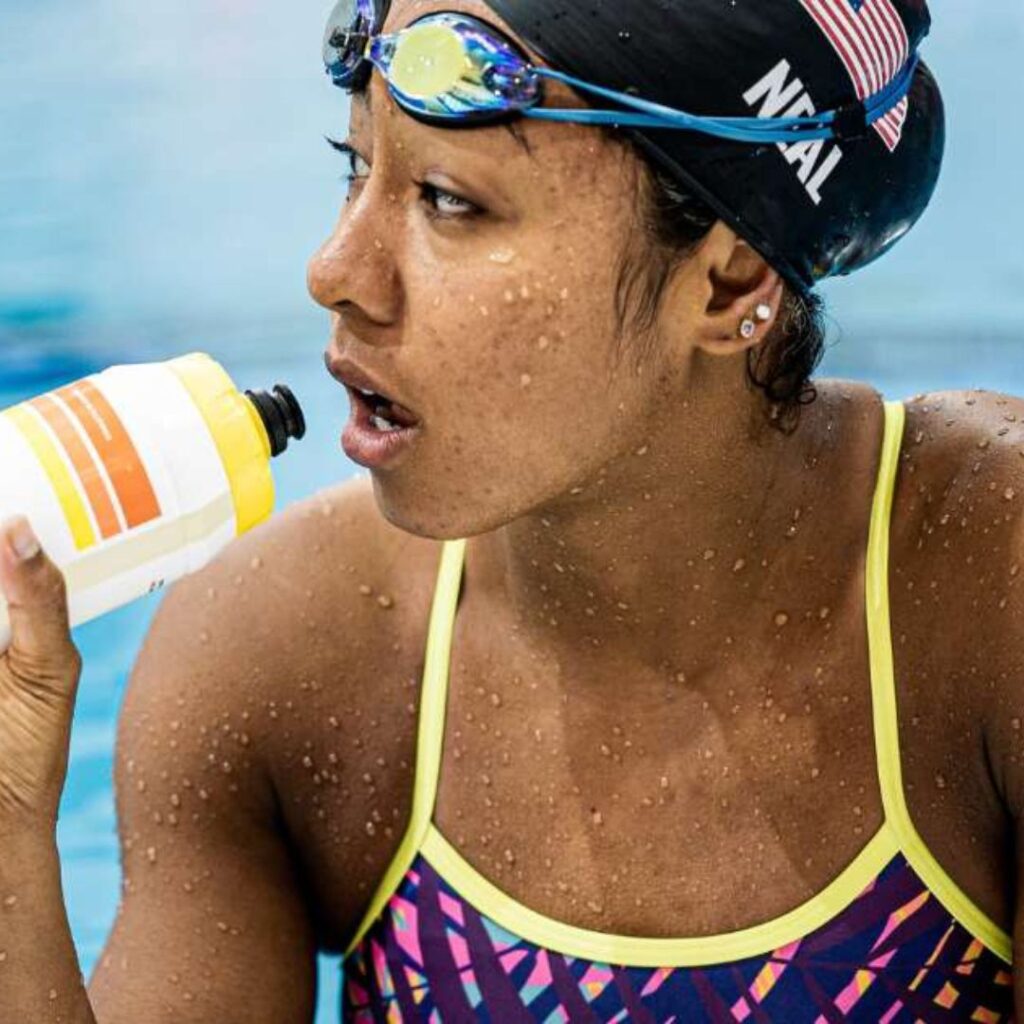
Staying hydrated is critical for swimmers. Even minor dehydration can negatively impact performance and recovery. Despite being in water, swimmers lose fluids through sweat and need to replenish them regularly.
How Much to Drink
It’s recommended to drink 16-20 ounces of water 2 hours before swimming and an additional 8-10 ounces 20 minutes before getting in the pool. During longer sessions, sipping water or a sports drink can help maintain electrolyte balance.
Post-Swim Recovery
Refueling Your Body
After swimming, the body needs to replenish glycogen stores and repair muscle tissue. Aim to eat a meal or snack containing a 3:1 ratio of carbohydrates to protein within 30 minutes of finishing your swim.
Long-Term Nutrition
Consistency is key. Swimmers should prioritise whole foods such as lean proteins, whole grains, fresh fruits, and vegetables to support ongoing training and competition demands. Limiting processed foods and sugary snacks helps maintain optimal energy levels and overall health.