+441278550640
  info@proswimwear.co.uk
  UK DELIVERY OVER £35







Safety Tips for Kids Swimming
When introducing kids to swimming, safety should always come first. Ensuring a safe environment helps children feel secure and confident in the water.
Want to learn more about teaching kids to swim? Visit our Learn to Swim section for expert advice and resources.
Essential Safety Practices
- Always supervise children during swim sessions, even if they are confident swimmers.
- Teach kids to avoid running near pools to prevent slips and falls.
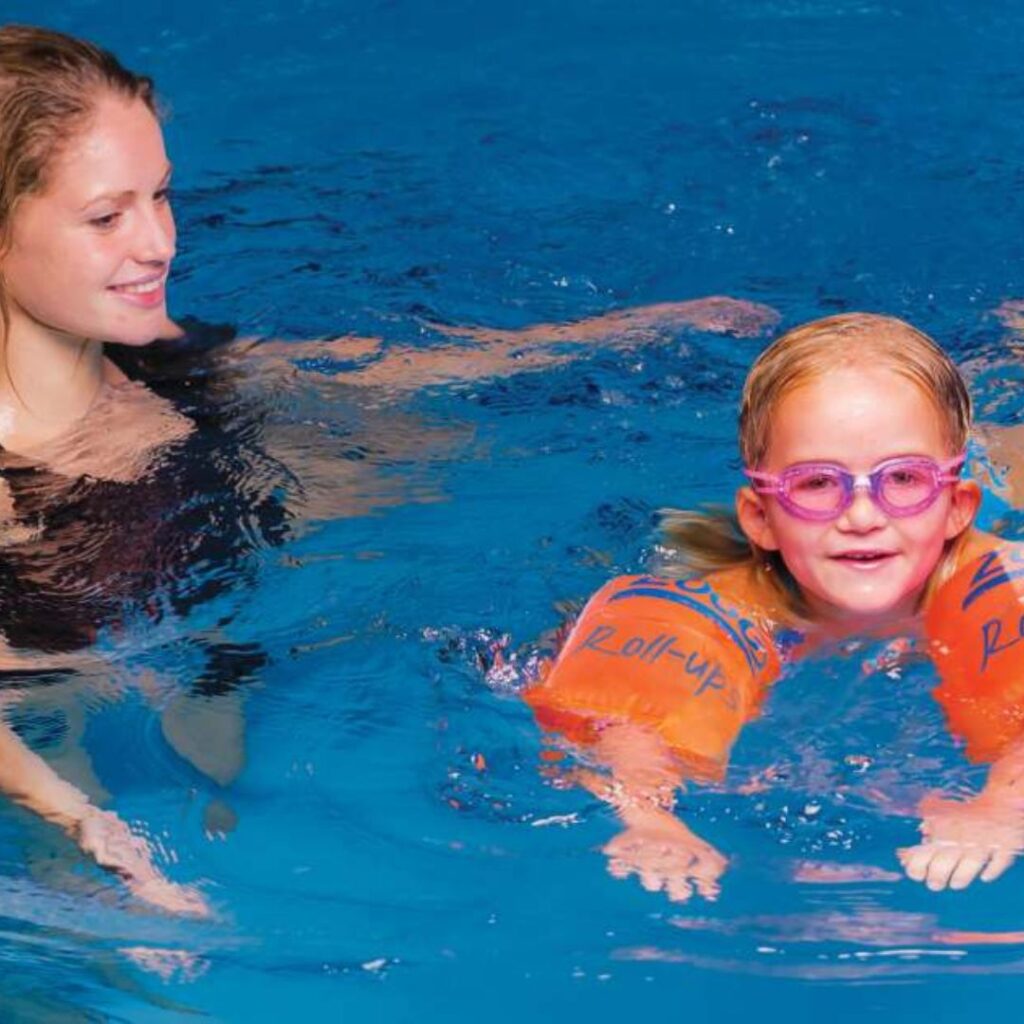
- Ensure they wear properly fitted flotation devices if they are beginners.
Creating a Safe Environment
Choose pools with certified lifeguards and maintain a manageable adult-to-child ratio during lessons. Additionally, familiarise kids with pool rules to reinforce safe habits.
Making Swimming Fun
For children, the pool should be a place of joy and discovery. Making swimming fun ensures they stay engaged and eager to learn.
Incorporating Play into Swim Workouts
- Use pool toys like diving rings and noodles to create engaging games.
- Play water-based tag or races to encourage natural movement in the water.
- Set small, achievable challenges to boost confidence and foster a sense of accomplishment.
Encouraging Social Interaction
Group swim lessons or playdates at the pool allow kids to bond and motivate one another, making the experience more enjoyable.
Teaching Swimming Techniques
Learning proper swim techniques is an essential part of kids swimming. Start with basic skills and build upon them as they gain confidence.
Focus on Fundamentals
- Introduce floating and gliding as the foundation of swimming.
- Teach proper breathing techniques to help kids stay relaxed in the water.
- Start with simple strokes like freestyle and backstroke, breaking them down into manageable steps.
Progressing with Swim Techniques
Once kids master the basics, introduce swim drills to refine their skills. For example, use a kickboard to isolate kicking or practice arm movements separately.
Tips for Parents and Coaches
Be patient and celebrate small achievements. Use positive reinforcement to build confidence, and remember to keep training sessions short and engaging.