+441278550640
  info@proswimwear.co.uk
  UK DELIVERY OVER £35



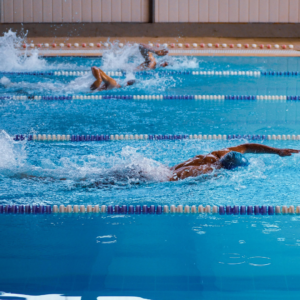




Swimming is one of the most popular and beneficial forms of exercise but it’s also surrounded by a surprising number of myths. From old wives’ tales passed down at the pool to common misunderstandings about safety and fitness, it’s time to set the record straight.
Let’s dive into the top swimming myths and reveal the real truth behind them.
Myth #1: You Should Wait 30 Minutes After Eating to Swim
✅ The Truth:
You don’t have to wait a half hour after eating to get back in the water. This myth likely comes from concerns about cramping, but there’s no scientific evidence to support it. While you might not want to swim hard on a full stomach (just like any exercise), light swimming is perfectly fine and safe.
Myth #2: Swimming Is Only for the Young and Fit
✅ The Truth:
Swimming is a low-impact, joint-friendly activity that’s ideal for people of all ages and fitness levels. In fact, it’s one of the best exercises for seniors or those recovering from injuries. Whether you’re 9 or 90, the pool is for you.
Myth #3: You Can’t Drown in a Shallow Pool
✅ The Truth:
Sadly, you can drown in very shallow water even in just a few inches. Drowning is often silent and quick, which is why constant supervision and water safety practices are essential, especially for kids.
Myth #4: Chlorine Turns Your Hair Green
✅ The Truth:
It’s not chlorine, it’s copper in the pool water that can react with hair products or light-coloured hair, sometimes giving it a green tint. Prevent it by rinsing hair before swimming and wearing a swim cap.
Myth #5: Swimming Isn’t a “Real” Workout
✅ The Truth:
Tell that to Olympic swimmers or anyone who’s done a tough swim set. Swimming engages nearly every major muscle group, improves cardiovascular fitness, builds strength, and burns serious calories. It’s as real as it gets.
Myth #6: You Don’t Sweat While Swimming
✅ The Truth:
You absolutely do sweat while swimming, you just don’t feel it because you’re already wet. That’s why hydration is important, even in the water. Bring a water bottle to the pool and use it.
Myth #7: Only Competitive Swimmers Need Technique Training
✅ The Truth:
Everyone benefits from improving their swim technique, not just pros. Better form helps you move more efficiently, prevents injury, and makes swimming easier and more enjoyable.
Myth #8: Earplugs Are Bad for Your Ears
✅ The Truth:
When used correctly, earplugs are perfectly safe and can actually prevent swimmer’s ear and infections. Just make sure they’re clean and designed for swimming.
Myth #9: Treading Water Is Easy
✅ The Truth:
It might look easy, but effective treading requires coordination, endurance, and leg strength. It’s a critical survival skill and should be practiced regularly.
Myth #10: It’s Safe to Swim Alone If You’re a Good Swimmer
✅ The Truth:
Even strong swimmers can face unexpected dangers like cramps, fatigue, or underwater hazards. Always swim with a buddy or in supervised areas. Water safety applies to everyone.
Swimming is fun, effective, and accessible but it’s often misunderstood. By debunking these myths, we not only become safer swimmers but also enjoy the water more confidently.