+441278550640
  info@proswimwear.co.uk
  UK DELIVERY OVER £35






If you’re a swimmer looking to enhance your training and improve your swimming technique, a pullbuoy is an essential piece of equipment to consider. This simple yet effective tool can make a significant difference in your swim workouts by isolating and strengthening specific muscle groups while promoting proper body positioning in the water. In this article, we will explore the ins and outs of using a pullbuoy effectively to take your swimming skills to the next level.
Table of Contents
- Introduction
- What is a Pullbuoy?
- Choosing the Right Pullbuoy
- Getting Started with Your Pullbuoy
- Proper Body Positioning
- Building Strength with a Pullbuoy
- Effective Pullbuoy Workouts
- Breathing Techniques
- Common Mistakes to Avoid
- Pullbuoy for Competitive Swimmers
- Pullbuoy for Triathletes
- Safety Considerations
- Maintenance and Care
- Conclusion
- FAQs
Introduction
Swimming is not just about moving your arms and legs in the water; it’s about mastering the art of buoyancy, balance, and efficiency. A pullbuoy is a training aid that can help you achieve these goals. In the following sections, we will delve into the world of pullbuoys and guide you on how to make the most of this versatile tool.
What is a Pullbuoy?
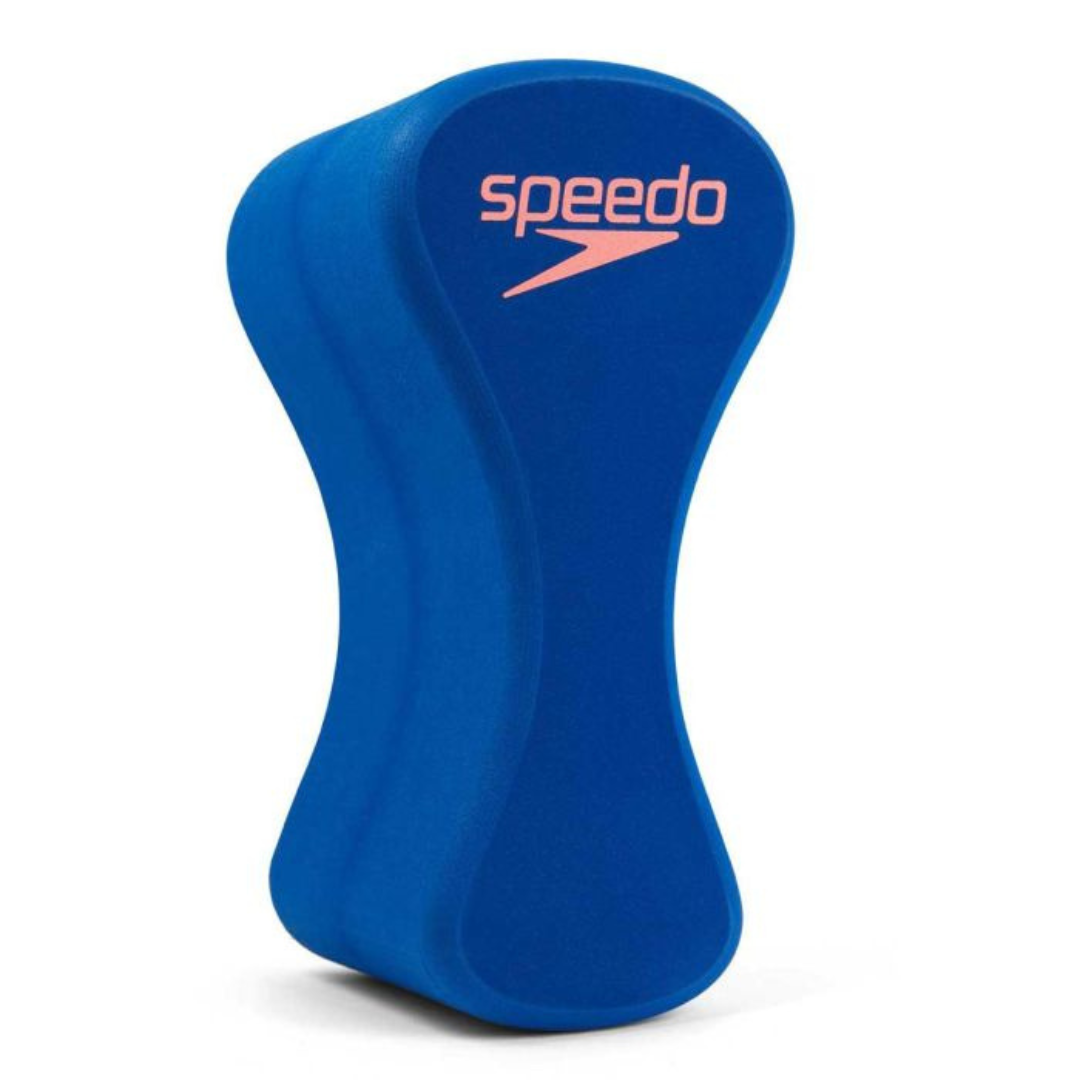
A pullbuoy is a buoyant, figure-eight-shaped device designed to be held between your thighs while swimming. Its primary purpose is to immobilize your legs, allowing you to focus solely on your upper body and arm movements. This helps swimmers build upper body strength, refine their stroke technique, and improve body alignment.
Choosing the Right Pullbuoy
Before you start using a pullbuoy, it’s crucial to select the right one for your needs. Pullbuoys come in various sizes, materials, and designs. Opt for one that feels comfortable and fits snugly between your thighs without causing discomfort. A good fit ensures stability in the water and maximizes the benefits of your workouts.
There are different kinds of pull buoys that can be used and may help swimmers for different reasons. The right shape and buoyancy can make quite a bit of difference in the value pull buoys provide, and this guide outlines the various benefits of different pull buoy styles.
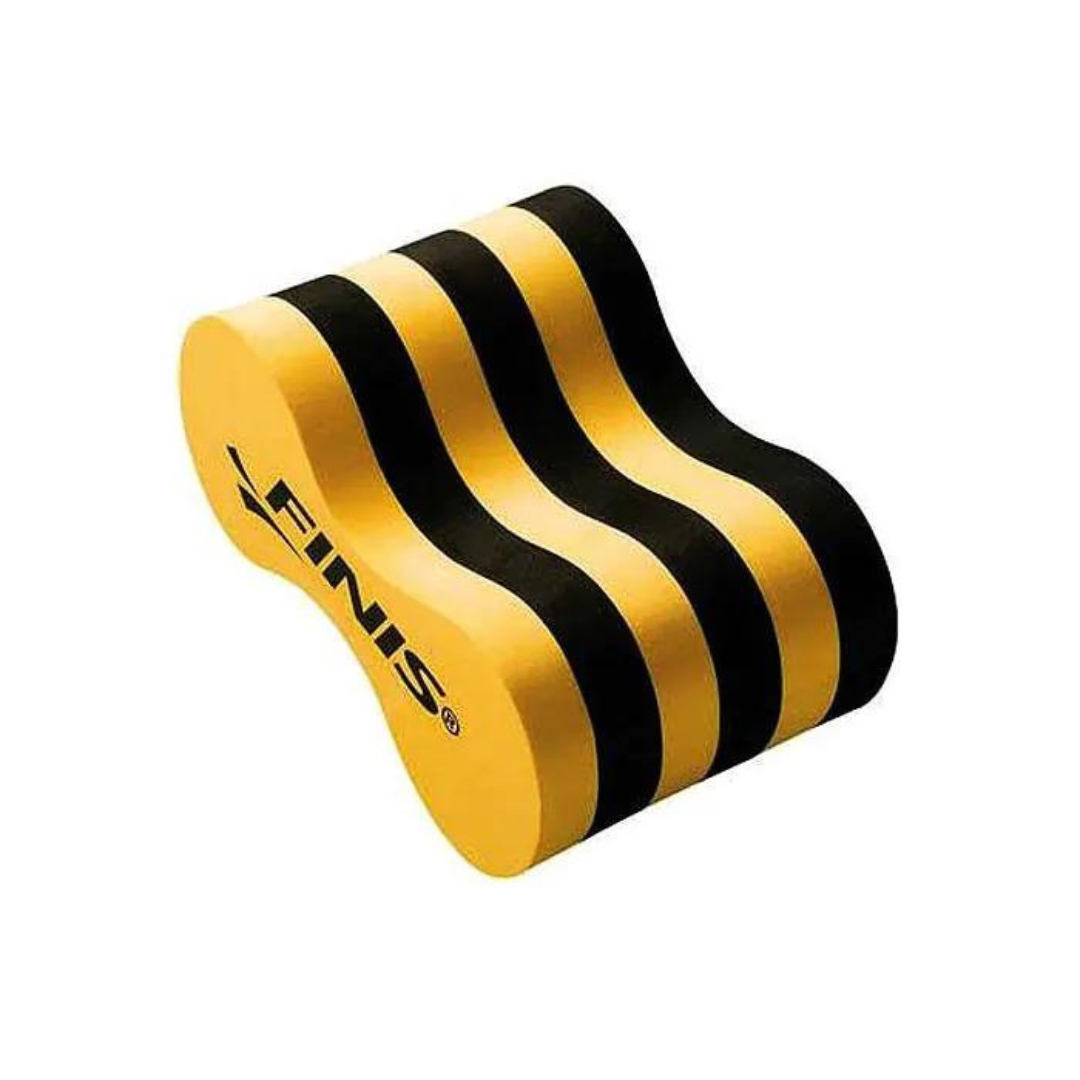
Traditional Pull Buoy
The traditional pull buoy is bigger for more buoyancy. It maximises a swimmer’s upper body workout by immobilising the legs so they can improve their stroke by isolating the torso and arms.
Junior Pull Buoy
The junior pull buoy is smaller and lighter, which is more suitable for younger swimmers. The Junior Pull Buoy helps develop upper body strength and alignment in the water during your workout.
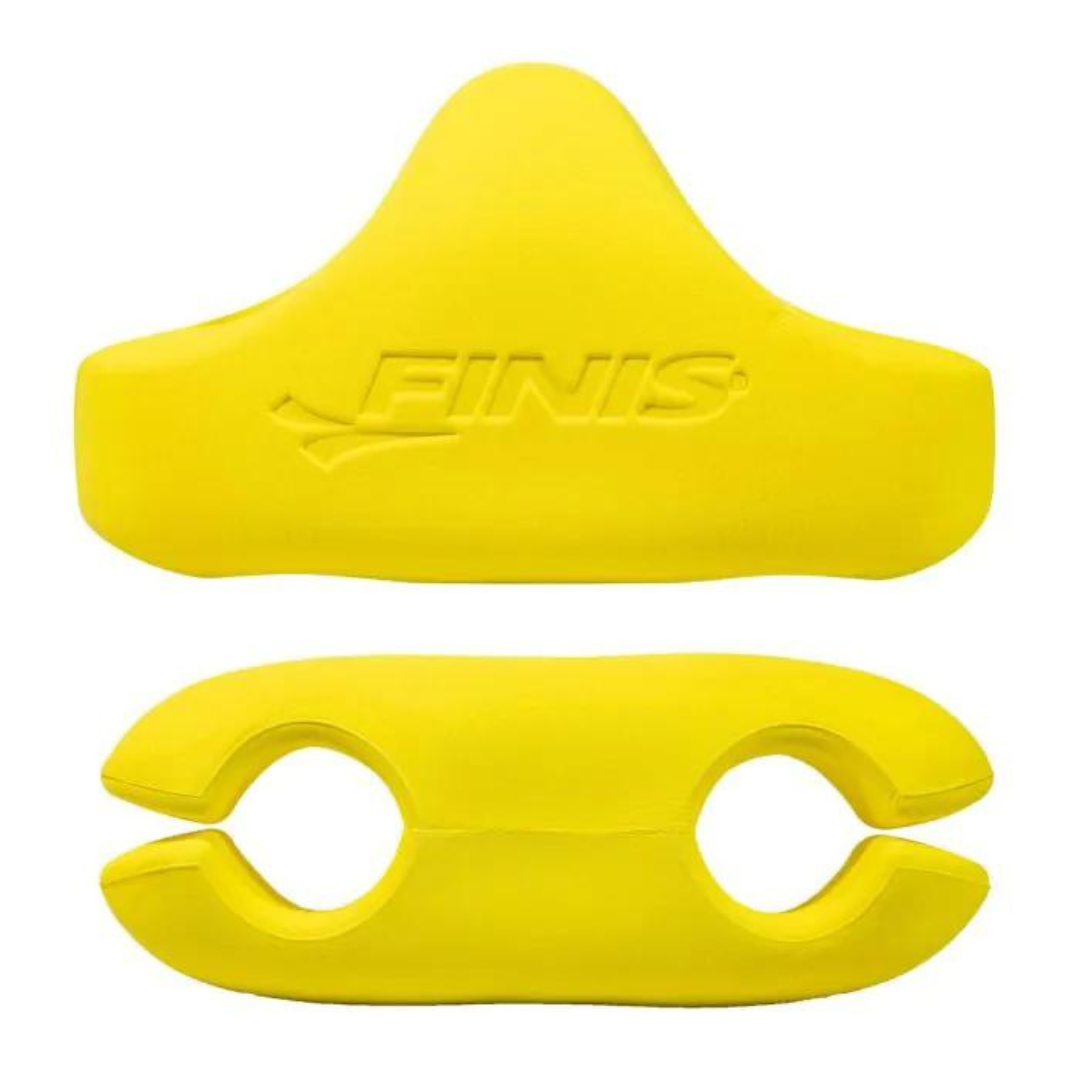
Ankle Buoy
Ankle buoys help improve full-body rotation by engaging the whole body. The unique design of the Ankle Buoy improves body position while building upper body strength and engaging the core muscles. With ergonomic keyholes and a contoured, hydrodynamic design, the Ankle Buoy fits comfortably around the ankles and promotes elevated body position and hip rotation.
The Ankle Buoy is a multi-purpose training aid, it can easily be held in front of the body to function as a kickboard.
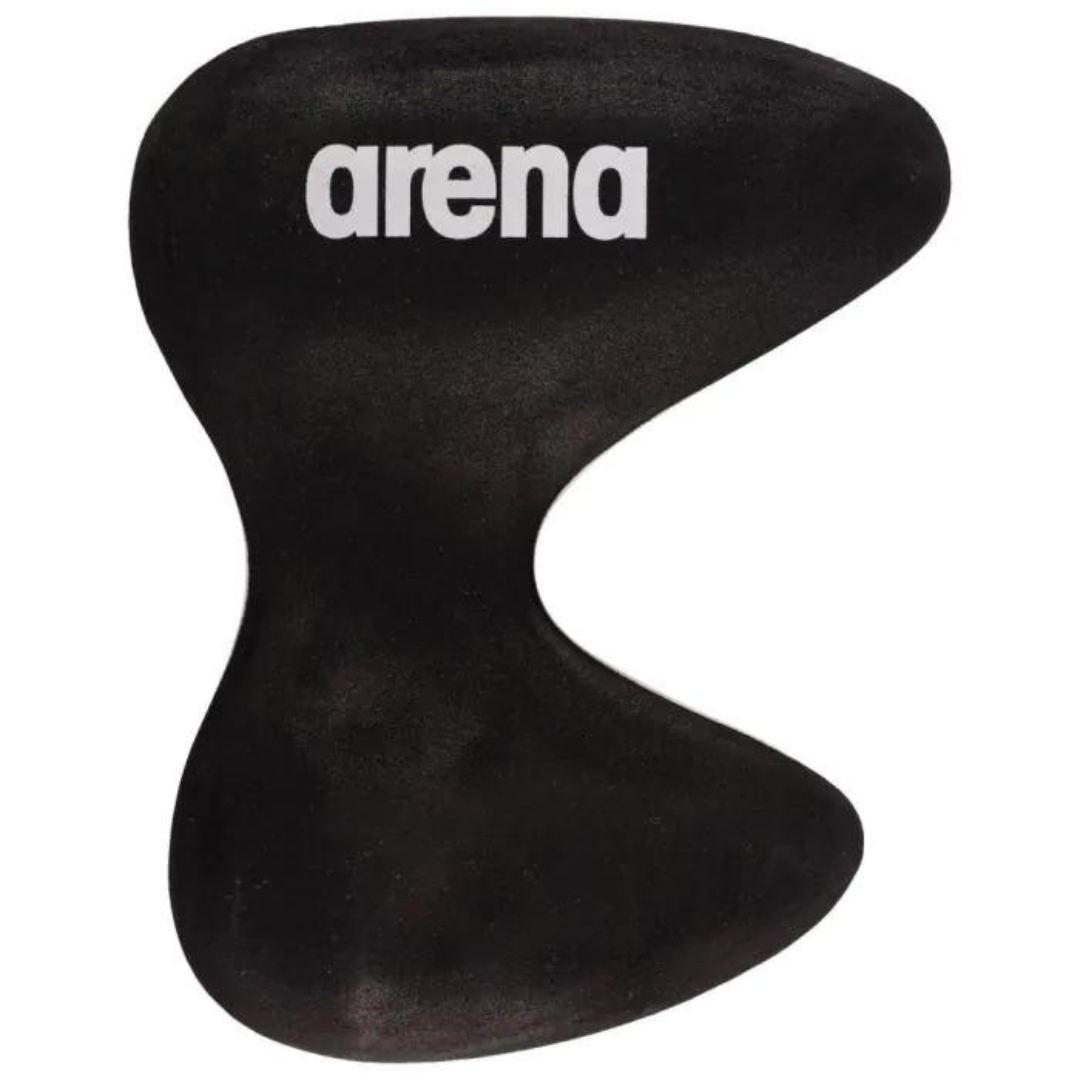
Pull Buoy-Kickboard
The pull buoy-kickboard is perfect for swimmers looking for multi-use swimming equipment as it can function as both a kickboard and pull buoy.
When used as a pull buoy, the small size and innovative grip options increase core stability so that you can zero in on your arms and develop your endurance. If used as a kickboard, a pull buoy-kickboard can provide plenty of buoyancy and a variety of grip styles for you to try out.
With this innovation, it also reduces the number of equipment swimmers have to carry with them whilst travelling.
Find the perfect pull buoy for you at ProSwimwear. Just click here.
Getting Started with Your Pullbuoy
To get started, find a pool with a comfortable water temperature, put on your swim gear, and grab your pullbuoy. Place it between your thighs, positioning it just above your knees. It should stay in place without the need for excessive squeezing.
Proper Body Positioning
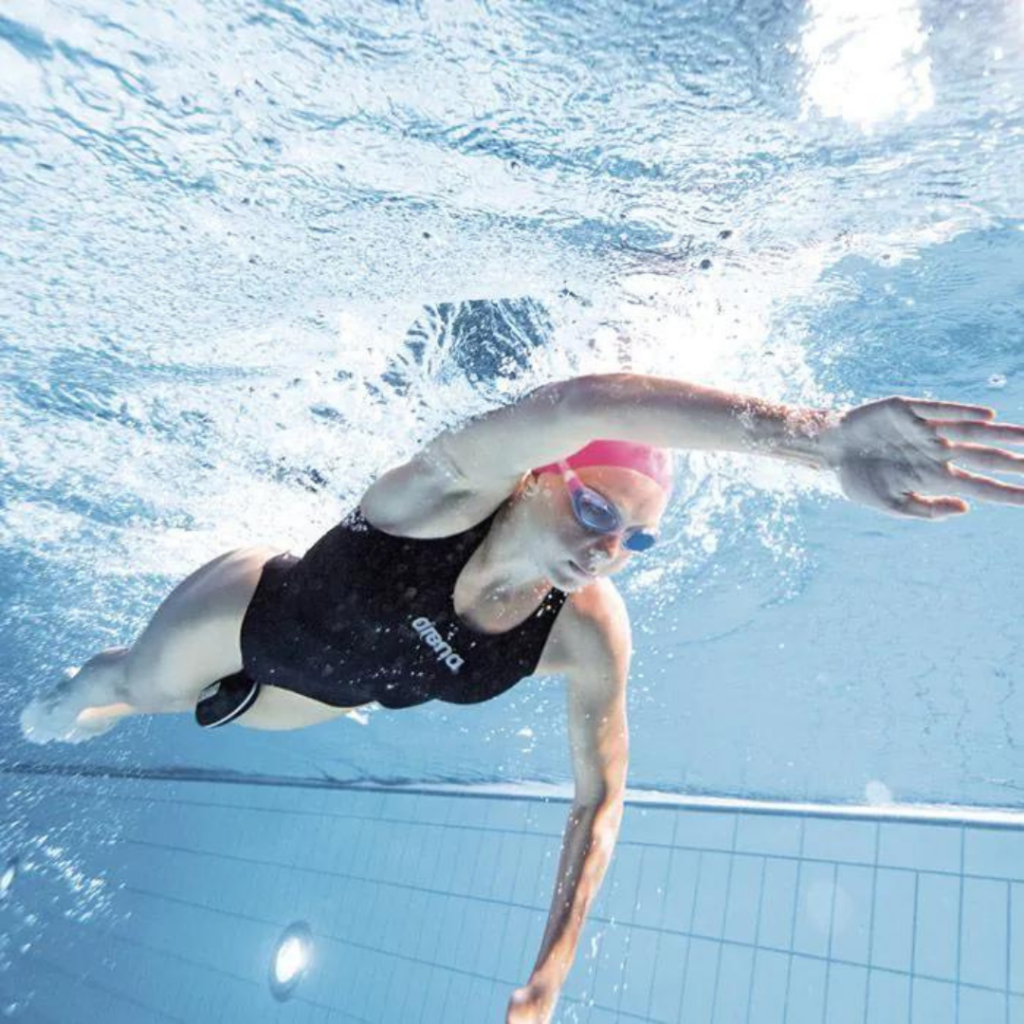
One of the primary benefits of using a pullbuoy is that it promotes correct body positioning in the water. Your hips and legs will naturally rise to the surface, reducing drag and making you more streamlined. Focus on keeping your body parallel to the water’s surface.
Building Strength with a Pullbuoy
As you swim with a pullbuoy, you’ll notice an increased workload on your upper body muscles, particularly the arms, shoulders, chest, and back. This resistance helps strengthen these muscle groups, ultimately improving your stroke power.
Effective Pullbuoy Workouts
Incorporate pullbuoy workouts into your training regimen to target specific areas of improvement. Whether you’re looking to refine your freestyle, backstroke, or butterfly technique, a pullbuoy can help you isolate and work on the necessary movements.
Breathing Techniques
Using a pullbuoy also allows you to focus on your breathing technique. Practice controlled and rhythmic breathing to enhance your endurance and overall swim performance.
Common Mistakes to Avoid
While using a pullbuoy, some swimmers may develop bad habits. Be mindful of over-reliance on the pullbuoy, as it should be a training aid, not a permanent crutch. Maintain balance in your swim workouts by alternating between pullbuoy-assisted and regular swimming.
Pullbuoy for Competitive Swimmers
Competitive swimmers can benefit significantly from pullbuoy training. It enables them to fine-tune their strokes, build strength, and develop better endurance, all of which contribute to improved race times.
Pullbuoy for Triathletes
Triathletes often need to conserve energy for the cycling and running portions of their races. Using a pullbuoy in swim training allows them to focus on their upper body and save their leg strength for the later stages of the triathlon.
Safety Considerations
Always swim in a designated swimming area and never use a pullbuoy in open water without proper supervision. Safety should be a priority in all your swim sessions.
Maintenance and Care
To ensure the longevity of your pullbuoy, rinse it with fresh water after each use and allow it to air dry. Check for any signs of wear and tear, and replace it when necessary.
Conclusion
Incorporating a pullbuoy into your swim training can lead to remarkable improvements in your technique, strength, and overall performance. This versatile tool is an asset for swimmers of all levels, from beginners to elite athletes.
FAQs
-
Is a pullbuoy suitable for beginners?
- Absolutely! Pullbuoys are great for beginners as they help improve body positioning and build confidence in the water.
-
How often should I use a pullbuoy in my workouts?
- It’s recommended to include pullbuoy sessions in your routine at least once or twice a week to see noticeable benefits.
-
Can I use a pullbuoy for open water swimming?
- While pullbuoys are primarily designed for pool training, they can be used cautiously in open water, but always with a partner and in controlled conditions.
-
Should I still kick while using a pullbuoy?
- Minimal kicking is okay, but the goal is to minimize leg movement and focus on your upper body and stroke technique.
-
Are there any age restrictions for using a pullbuoy?
- No, there are no age restrictions. Pullbuoys can be used by swimmers of all ages, provided they are comfortable in the water.
Now that you’ve learned how to use a pullbuoy effectively, dive into your next swim session with confidence and watch your swimming skills soar. Explore additional swimming equipment here. Happy swimming!