+441278550640
  info@proswimwear.co.uk
  UK DELIVERY OVER £35



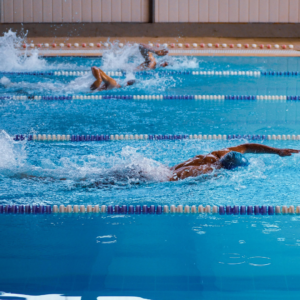




It doesn’t matter how often you swim, there comes a point in your swim that fatigue hits. Limbs get tired, breathing gets harder, and technique becomes harder to maintain.
Try these tips to minimise your fatigue during your swim.
Change it up
Bring a mix to your swim and switch up your swim stroke throughout your session. While there is some overlap, you use a number of different muscles with each stroke, especially with kicks. Backstroke is good for catching your breath because your face is out of the water. Don’t change your techniques too much though!
Switch your effort
When introducing a new variety in stroke, also switch between the effort in your arms and legs. When you’re feeling tired, it can be easy to focus on your arms in front crawl rather than keeping an eye on your legs. Instead, ease your arms off and concentrate on generating momentum with your kick for a couple of lengths, giving your arms time to relax.
Minimise your energy use
Hold your glide for as long as you can and you can minimise your energy. As well as being a more efficient technique, this is a good way to establish rhythm and control in your swimming. You can also count your strokes per length early on in your swim and then aim to go lower than usual as you’re starting to feel tired.